Founded on Scientific Precision

C2CNT Consulting

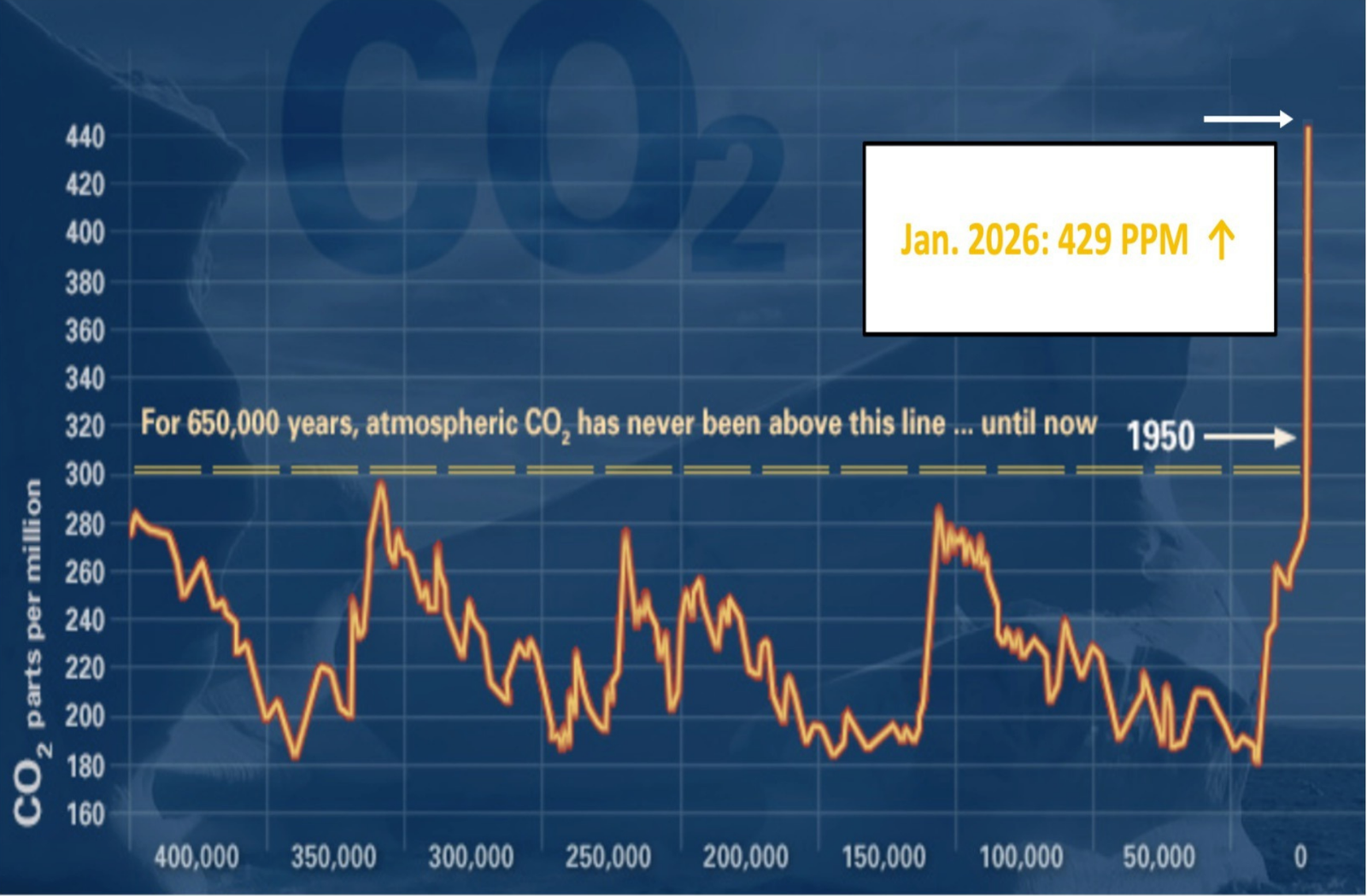
From Wasteful, Harmful CO₂, to a Carbon Nano Future. Leveraging electrolysis to transform emissions into valuable materials.

Current Metric

0 %

Efficiency

Meet The man

Gad Licht

Gad Licht is a clean-tech and material researcher innovator specializing in CO₂ and CNM (Carbon Nano Materials). He is a 2020 Wesleyan University Graduate in Middletown, CT, where he earned a degree in Physics and Molecular Biology & Biochemistry (MB&B), along with a certificate in Molecular Biophysics and Applied Data Analysis. He is currently pursuing a Master in Physics at UMass Lowell.

Licht has authored and co-authored numerous peer-reviewed publications (over 200 publications, with his first sole author one in High School) available on ResearchGate, covering CO₂-derived CNM (Carbon Nano Materials), molten carbonate electrolysis, post-processing methods, and computationally designed metamaterials (such as invisibility cloaking).
His work spans both
process development and post-processing and application of C2CNT-derived materials, supporting scalable, carbon-negative manufacturing pathways.

Licht has authored and co-authored numerous peer-reviewed publications, available on ResearchGate, covering CO₂-derived CNM (Carbon Nano Materials), molten carbonate electrolysis, post-processing methods, and computationally designed metamaterials (such as invisibility cloaking). His research has contributed to technology recognized by the Carbon XPRIZE, highlighting the potential of turning CO₂ emissions into valuable, durable materials that benefit both industry and the climate. He is also committed to diversity, and has worked with disability inclusion initiatives and education initiatives from his work at his High School (Loudoun Academy of Science and Briarwoods), at both of his post-secondary institutions, and outside.
Meet The man

Gad Licht

Licht has authored and co-authored numerous peer-reviewed publications (over 200 publications and patents, with his first sole author one in High School) available on ResearchGate, covering CO2-derived CNMs (Carbon Nano Materials), molten carbonate electrolysis, post-processing methods, and computationally designed metamaterials (such as invisibility cloaking).

His work spans both process development and post-processing and application of C2CNT-derived materials, supporting scalable, carbon-negative manufacturing pathways.

Licht’s publications, available on ResearchGate, include CO2-derived CNMs (Carbon Nano Materials), molten carbonate electrolysis, post-processing methods, and computationally designed metamaterials (such as invisibility cloaking)

Title

Principal Consultant

Expertise

Electrochemistry, Nanomaterials, Energy Storage

Publications

200+ peer reviewed and other publication

What We Consult On

Bridging the gap between laboratory discovery and industrial-scale implementation. Our consulting services focus on the strategic deployment of C2CNT carbon nanotube technology.

Efficiency Protocols

Carbon Capture Efficiency

Optimization of electrochemical cells to maximize CO₂ throughput while minimizing energy consumption. Thermodynamic analysis for high-temperature electrolysis environments.

System Integration

Technical Consulting

End-to-end integration of C2CNT modules into existing cement, steel, and power production facilities. Scalable design for diverse industrial emissions profiles.

Technology & Consulting

What We Consult On

C2CNT — Carbon Dioxide to Carbon Nanotubes/Nanomaterials

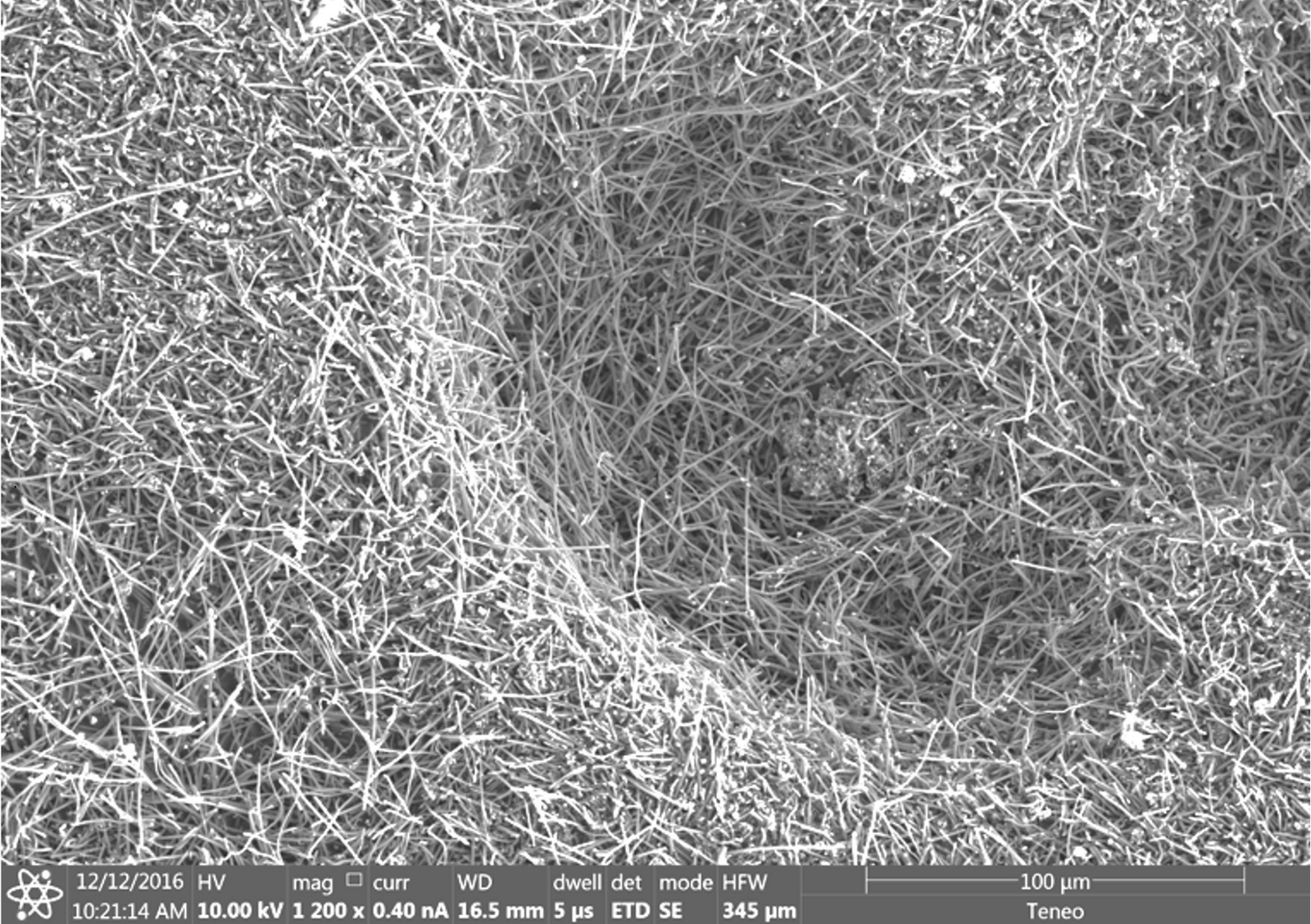
The C2CNT process is an advanced electrochemical process that turns carbon dioxide into valuable Carbon Nanotubes and related Carbon Nanomaterials (CNTs & CNM -Carbon Nano Materials). C2CNT stands out because it solves 2 problems at once: cutting greenhouse gases and producing ultra-high-performance materials.

Why the C2CNT process is so good (a non-extensive summary):

  • Consumes CO₂ directly: CO₂ from industrial exhaust or atmospheric air is used as a feedstock and later permanently trapped as CNTs/CNM (Carbon Nano Materials)
  • Produces extremely valuable materials: CNTs are lightweight, super-strong, electrically conductive materials used in batteries, aerospace, construction, electronics, and composites. Other CNM (Carbon Nano Materials) have been used as ultra-hard materials, ultra-good lubricants, plasma generators, ultra-light absorbers, and more. 
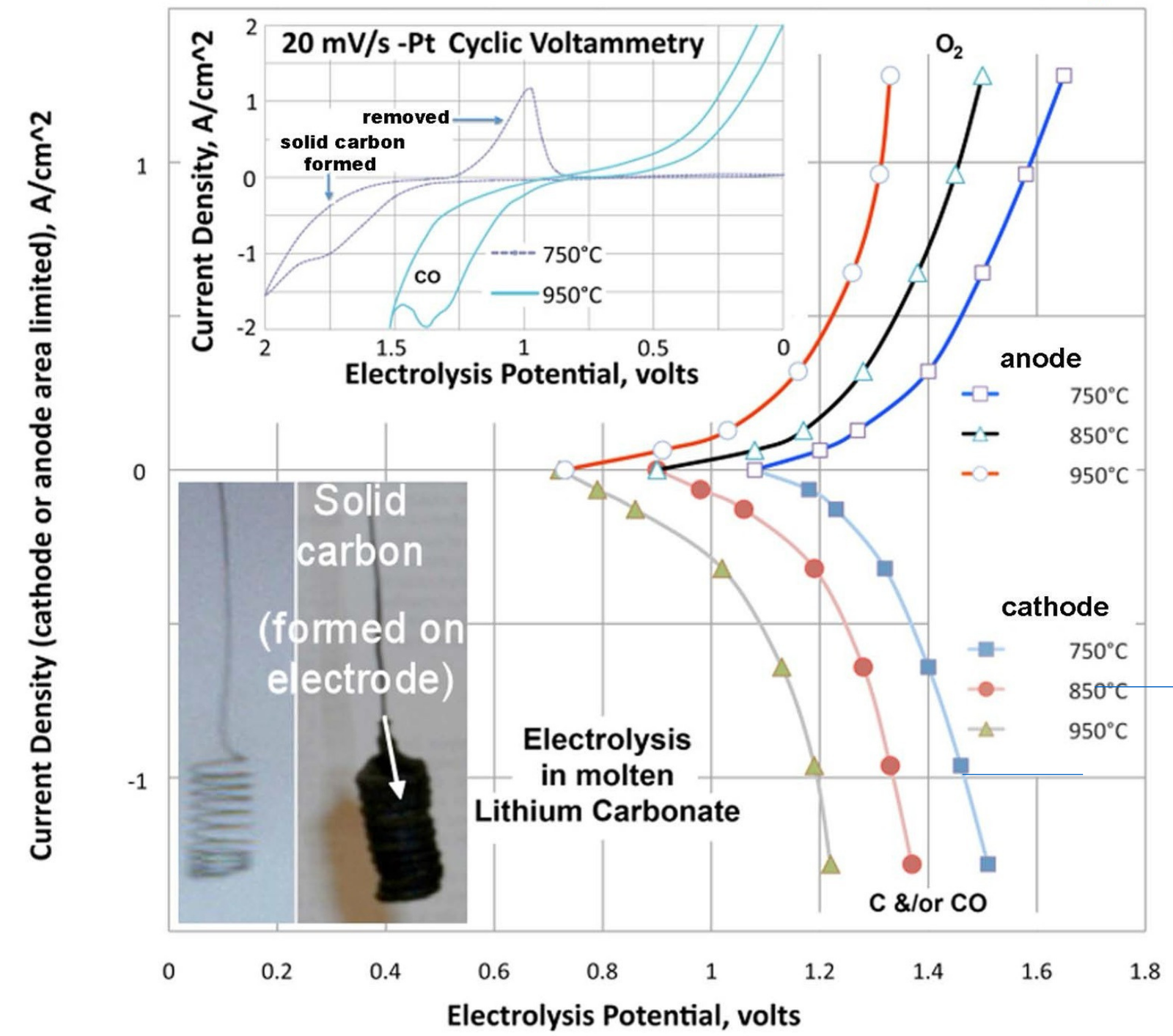
  • Energy-efficient and scalable, even Carbon Negative: The process uses molten carbonate electrolysis and can be powered by renewable energy. When powered by clean energy, it doesn’t just reduce emissions—it can remove CO₂  permanently.

Economically attractive: CNTs/CNM (Carbon Nano Materials) are far more valuable than the cost of capturing CO₂, meaning the process can pay for itself and even generate substantial profit.

Big Picture

C2CNT turns pollution into profit and supports climate-mitigating industries.

Other Consulting Areas

Uses of CNMs and CNTs

Doped CNTs

Molten Air Batteries

VB₂ Batteries and Super Iron

Climate Change Mitigation

Related processes similar to C2CNT, such as STEP process to make CO₂-free staples such as Iron, Hydrogen, Magnesium, Lime, and more

Publications & Data

Research Repository

Request a technical assessment of your facility.

We provide data-driven insight for industrial leaders looking to transition from carbon liability to carbon asset.